About / เกี่ยวกับ
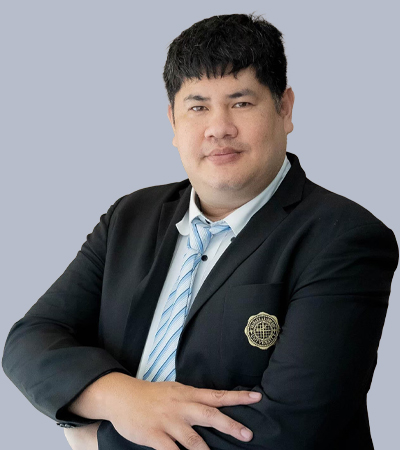
Sirichet Punthipayanon, Ph.D., FHEA
Sport scientist · Biomechanics researcher · Educator
Bangkok, Thailand · Department of Sports Sciences, Srinakharinwirot University
EN
Bridging the gap between laboratory science and the practical demands of elite athletic performance.
I’m Sirichet Punthipayanon, a sport scientist and biomechanics researcher serving as a lecturer in the Department of Sports Sciences, Faculty of Physical Education at Srinakharinwirot University. I hold a Ph.D. in Sport Biomechanics from the University of Taipei, and I am a Fellow of the Higher Education Academy (FHEA), reflecting a sustained commitment to evidence-based teaching at the international level.
Research focus
My research investigates how the human body produces, transfers, and absorbs force in combat and endurance sports — with the goal of making athletes faster, safer, and more measurable. Published work spans:
- Boxing biomechanics — silicone cushioning for punch-impact delivery, the role of effective mass in jab and cross punches, and a wireless real-time punching-force scoring system for amateur and professional boxing.
- Endurance and water sports — physiological stress profiling for world-class dragon-boat paddlers over 200 m and 500 m sprints, and underwater treadmill protocols for elderly injury prevention.
- Athlete health & wearable technology — K-means clustering of wearable data for culturally adapted NCD prevention, hydration strategy in Thai futsal players, and post-pandemic emotional health of national team athletes.
- Sustainable materials chemistry — collaborative work converting mussel and cockle-shell biowaste into calcium acetate, calcium citrate, and chitin/chitosan for biomedical applications.
Computational biomechanics
A central methodological pillar of my work is musculoskeletal modeling and simulation — turning motion-capture data into estimates of the internal joint forces, muscle activations, and tissue loads that drive (or injure) athletes. Tools I work with daily:
- AnyBody Modeling System — inverse-dynamics-driven musculoskeletal simulations using the AnyBody Managed Model Repository (AMMR). I use AnyBody to estimate muscle forces, joint reaction loads, and stress on intervertebral discs during sport-specific tasks such as boxing punches, paddling strokes, and Olympic-style lifts that conventional motion analysis cannot resolve.
- OpenSim — open-source musculoskeletal modeling for kinematic, inverse-dynamic, and computed muscle-control (CMC) analyses. I build subject-scaled models from marker trajectories and ground-reaction force data to study muscle coordination and energy transfer in sprinting, cutting, and combat-sport movements.
- Vicon, Qualisys & IMU pipelines — 3D motion capture and inertial sensor workflows feeding both AnyBody and OpenSim through C3D, TRC, and OpenSense formats.
Why this matters: a force plate tells you what touches the ground, but a musculoskeletal model tells you which muscles produced that force, how the load travelled through the kinetic chain, and where the next injury is likely to start. That is the level of insight elite coaches and clinicians need — and what I aim to deliver in every project.
Beyond the lab
I have advised for the company who lead on training methodology and completed an internship at Sport Singapore in applied biomechanics. I work at the intersection of sport, technology, and education — designing instruments, mentoring graduate students, and translating peer-reviewed findings into protocols that coaches and athletes can actually use.
TH
เชื่อมต่องานวิจัยในห้องปฏิบัติการ เข้ากับความต้องการจริงของนักกีฬาระดับสูง
ผม ดร. ศิริเชษฐ์ พันธ์ทิพย์พานนท์ นักวิทยาศาสตร์การกีฬาและนักวิจัยด้านชีวกลศาสตร์ ปัจจุบันเป็นอาจารย์ประจำภาควิชาวิทยาศาสตร์การกีฬา คณะพลศึกษา มหาวิทยาลัยศรีนครินทรวิโรฒ สำเร็จการศึกษาระดับปริญญาเอก สาขา Sport Biomechanics จาก University of Taipei และได้รับสถานะ Fellow of the Higher Education Academy (FHEA) สหราชอาณาจักร ซึ่งสะท้อนมาตรฐานการสอนระดับสากลที่อิงหลักฐานเชิงประจักษ์
งานวิจัยที่สนใจ
งานวิจัยของผมศึกษากลไกการสร้าง การส่งผ่าน และการดูดซับแรงของร่างกายมนุษย์ในกีฬาต่อสู้และกีฬาความอดทน โดยมีเป้าหมายให้นักกีฬาเร็วขึ้น ปลอดภัยขึ้น และวัดผลได้แม่นยำขึ้น ผลงานครอบคลุม
- ชีวกลศาสตร์มวยสากล — การใช้ซิลิโคนรองหมัดเพื่อเพิ่มแรงกระแทก, บทบาทของมวลประสิทธิผลในหมัดตรงและหมัดสวน, และระบบวัดแรงหมัดแบบไร้สายเรียลไทม์สำหรับการแข่งขันสมัครเล่นและอาชีพ
- กีฬาความอดทนและกีฬาทางน้ำ — การวิเคราะห์ความเครียดทางสรีรวิทยาในนักพายเรือมังกรระดับโลกในระยะ 200 และ 500 เมตร และโปรโตคอลลู่วิ่งใต้น้ำเพื่อป้องกันการบาดเจ็บในผู้สูงอายุ
- สุขภาพนักกีฬาและเทคโนโลยีสวมใส่ — การใช้ K-means clustering กับข้อมูลจากอุปกรณ์สวมใส่เพื่อป้องกัน NCD ในบริบทไทย, กลยุทธ์การให้สารน้ำในนักฟุตซอล, และสุขภาพจิตของนักกีฬาทีมชาติหลังโควิด-19
- เคมีวัสดุยั่งยืน — งานวิจัยร่วมในการเปลี่ยนเปลือกหอยเหลือทิ้งให้กลายเป็น calcium acetate, calcium citrate และไคติน/ไคโตซานสำหรับใช้งานทางการแพทย์
ชีวกลศาสตร์เชิงคำนวณ (Computational Biomechanics)
เสาหลักทางระเบียบวิธีของงานผมคือการสร้างแบบจำลองและจำลองสถานการณ์ระบบกล้ามเนื้อและโครงร่าง (Musculoskeletal Modeling & Simulation) — เปลี่ยนข้อมูลจาก motion capture ให้กลายเป็นค่าประมาณของแรงภายในข้อต่อ การทำงานของกล้ามเนื้อ และภาระที่กระทำต่อเนื้อเยื่อ ซึ่งเป็นทั้งแหล่งกำเนิดสมรรถนะและสาเหตุของการบาดเจ็บในนักกีฬา เครื่องมือที่ผมใช้งานเป็นประจำได้แก่
- AnyBody Modeling System — การจำลองระบบกล้ามเนื้อและโครงร่างด้วยหลักการ inverse dynamics โดยใช้ฐานโมเดล AnyBody Managed Model Repository (AMMR) ผมใช้ AnyBody ในการประมาณแรงกล้ามเนื้อ แรงปฏิกิริยาที่ข้อต่อ และความเค้นที่หมอนรองกระดูกสันหลังระหว่างการทำท่วงท่าเฉพาะกีฬา เช่น การชกมวย การพายเรือ และการยกน้ำหนักแบบโอลิมปิก ซึ่งการวิเคราะห์การเคลื่อนไหวแบบดั้งเดิมไม่สามารถบอกได้
- OpenSim — ซอฟต์แวร์ open-source สำหรับการสร้างแบบจำลองระบบกล้ามเนื้อและโครงร่างเพื่อวิเคราะห์ kinematic, inverse dynamic และ computed muscle control (CMC) ผมสร้าง subject-scaled model จากเส้นทางมาร์กเกอร์และข้อมูลแรงปฏิกิริยาพื้น เพื่อศึกษาการประสานงานของกล้ามเนื้อและการถ่ายโอนพลังงานในการสปรินต์ การเปลี่ยนทิศทาง และการเคลื่อนไหวในกีฬาต่อสู้
- ระบบ Vicon, Qualisys และ IMU — เวิร์กโฟลว์ motion capture แบบ 3 มิติและเซ็นเซอร์ inertia ที่ป้อนข้อมูลให้ทั้ง AnyBody และ OpenSim ผ่านรูปแบบไฟล์ C3D, TRC และ OpenSense
ทำไมเรื่องนี้สำคัญ: แผ่นวัดแรง (force plate) บอกได้แค่ว่ามีอะไรกระทำต่อพื้น แต่แบบจำลองระบบกล้ามเนื้อและโครงร่างจะบอกว่ากล้ามเนื้อมัดใดสร้างแรงนั้น แรงเดินทางผ่าน kinetic chain อย่างไร และการบาดเจ็บครั้งต่อไปมีโอกาสเริ่มต้นที่จุดใด นี่คือระดับของข้อมูลเชิงลึกที่โค้ชและนักวิทยาศาสตร์การกีฬาระดับสูงต้องการ และห้องปฏิบัติการของเราก็สามารถทำสิ่งนั้นได้
ประสบการณ์ภาคสนาม
ผมเคยเป็นที่ปรึกษาให้กับบริษัทชั้นนำทางด้านวิทยาศาสตร์การกีฬา ในด้านระเบียบวิธีการฝึกซ้อม และฝึกงานด้านชีวกลศาสตร์ประยุกต์ที่ Sport Singapore งานของผมอยู่ตรงจุดตัดระหว่างกีฬา เทคโนโลยี และการศึกษา — ตั้งแต่ออกแบบเครื่องมือวัด รวมทั้งเขียนบทความเกี่ยวกับวิทยาศาสตร์การกีฬา ท่องเที่ยว เป็นงานอดิเรก
Open to research collaboration & speaking
เปิดรับความร่วมมืองานวิจัย และการบรรยาย
Get in touch / ติดต่อ →